Whiskey is one of the most popular premium spirits served at upscale bars, steakhouses, hotels, and fine-dining restaurants across the United States. While many whiskey drinks are reasonably priced, rare bottles, limited releases, highly aged expressions, and prestigious labels can command hundreds or even thousands of dollars per pour.
The most expensive whiskey brands found on U.S. bar menus are usually associated with exceptional age statements, limited production, collectible bottles, famous distilleries, or highly sought-after releases. Some are ordered neat, while others are served with a small amount of water or ice so guests can appreciate their aroma and flavor.
This guide explores 15 of the most expensive whiskey brands and expressions that may appear on premium U.S. bar menus, along with estimated restaurant pour prices, whiskey styles, and what makes each selection expensive.
Price note: Restaurant whiskey prices vary significantly by location, bottle availability, pour size, vintage, and markup. The prices below are general estimates for premium U.S. bar and restaurant settings, not guaranteed prices at every establishment.
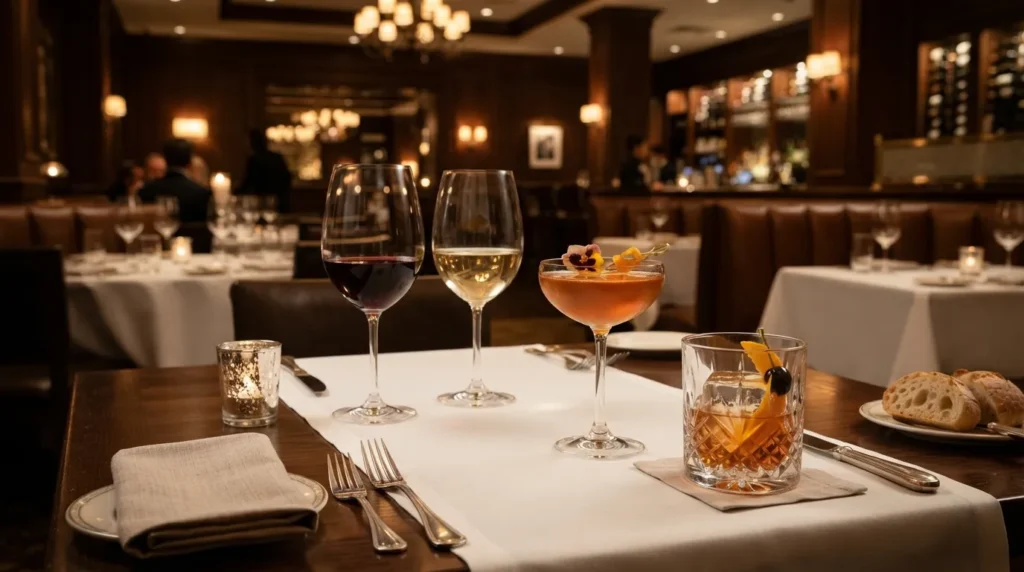
15 Most Expensive Whiskey Brands and Expressions
The following list focuses on prestigious whiskey names and expressions commonly associated with high-end whiskey programs. Prices can vary dramatically, particularly for rare bottles.
| Rank | Whiskey Brand / Expression | Whiskey Type | Estimated U.S. Bar Price per Pour |
|---|---|---|---|
| 1 | Macallan 30 Year | Single Malt Scotch | $250–$600+ |
| 2 | Pappy Van Winkle’s Family Reserve 23 Year | Bourbon | $150–$400+ |
| 3 | Yamazaki 25 Year | Japanese Single Malt | $300–$1,000+ |
| 4 | Macallan Rare Cask / Exceptional Releases | Single Malt Scotch | $75–$250+ |
| 5 | Old Rip Van Winkle 25 Year | Bourbon | $200–$600+ |
| 6 | George T. Stagg | Kentucky Straight Bourbon | $50–$150+ |
| 7 | William Larue Weller | Bourbon | $50–$150+ |
| 8 | Buffalo Trace Antique Collection | Bourbon | $40–$150+ |
| 9 | Johnnie Walker Blue Label | Blended Scotch | $40–$100+ |
| 10 | Glenfiddich 30 Year | Single Malt Scotch | $60–$150+ |
| 11 | Balvenie 30 Year | Single Malt Scotch | $100–$250+ |
| 12 | Dalmore King Alexander III | Single Malt Scotch | $70–$180+ |
| 13 | Hibiki 21 Year | Japanese Whisky | $80–$250+ |
| 14 | Redbreast 27 Year | Irish Whiskey | $60–$180+ |
| 15 | Angel’s Envy Cask Strength | American Whiskey | $35–$100+ |
These figures are intended for comparison and budgeting. A particularly rare bottle at a luxury bar can cost considerably more.
Why Is Expensive Whiskey So Expensive?
Several factors contribute to the price of premium whiskey. Age is one of the most obvious, but it is not the only factor.
Age and Maturation
Whiskey that spends decades in oak barrels generally costs more because of storage, evaporation, and limited availability.
As whiskey ages, a portion of the liquid naturally evaporates from the barrel. This loss is often called the “angel’s share.” A bottle that begins with a large quantity of whiskey may produce significantly less finished spirit after decades of maturation.
Limited Production
Some premium expressions are produced in very small quantities. When supply is limited and demand is high, prices can rise dramatically.
Limited releases may be allocated to selected retailers, whiskey bars, restaurants, and collectors, making them difficult to find.
Rare Barrels and Special Batches
A whiskey’s flavor can vary from barrel to barrel. Some barrels develop characteristics that make them especially desirable.
Distilleries may select exceptional barrels for special releases, which can command higher prices than standard expressions.
Brand Reputation
Certain whiskey brands have developed strong reputations among collectors and enthusiasts. Their most desirable bottles can become luxury products rather than simply beverages.
Restaurant and Bar Markups
A bottle purchased at retail does not cost the same as a pour at a luxury bar.
Restaurants and bars must account for operating expenses, storage, service, taxes, and the risk of carrying expensive inventory. As a result, a whiskey that costs hundreds of dollars per bottle can have a much higher per-pour price in a premium establishment.
1. The Macallan 30 Year
The Macallan is one of the world’s best-known single malt Scotch whisky producers, and its older expressions are frequently associated with luxury whisky collections.
The Macallan 30 Year is particularly prestigious because of its extended maturation period. Depending on the specific release, cask selection, and market, a pour at a premium U.S. bar can cost several hundred dollars.
What Makes It Expensive?
The combination of long maturation, limited availability, brand recognition, and demand from collectors contributes to its high price.
Typical Flavor Profile
Depending on the specific release, older Macallan expressions can offer rich notes such as dried fruit, oak, spice, chocolate, vanilla, and baking spices.
Estimated Bar Price
A 1.5-ounce pour may cost approximately $250–$600 or more at a luxury U.S. bar.
2. Pappy Van Winkle’s Family Reserve 23 Year
Pappy Van Winkle’s Family Reserve 23 Year is among the most recognizable premium American bourbons.
The expression has developed a cult following among bourbon enthusiasts, making it one of the bottles people often look for when visiting whiskey-focused bars.
Why Is Pappy 23 So Expensive?
Limited production and extremely high demand contribute heavily to its secondary-market reputation. Restaurants and bars that manage to acquire a bottle may charge significantly more than the suggested retail price.
Flavor Profile
The whiskey is known for a rich, mature bourbon profile featuring caramel, vanilla, oak, dried fruit, and baking spice.
Estimated Bar Price
Expect approximately $150–$400+ per pour, with exceptional restaurant listings potentially costing considerably more.
3. Yamazaki 25 Year
Yamazaki is one of Japan’s most famous single malt whisky brands. Older Yamazaki releases are highly sought after internationally.
The 25 Year expression represents an exceptionally aged Japanese single malt and can command extremely high prices when available at premium establishments.
What Makes Yamazaki 25 Special?
Japanese whisky has gained enormous international recognition, while older Yamazaki releases are produced in limited quantities.
The combination of Japanese craftsmanship, extended maturation, scarcity, and global demand can make older Yamazaki bottles extremely expensive.
Estimated Bar Price
A pour can cost approximately $300–$1,000 or more, depending on the specific bottle and establishment.
4. The Macallan Rare Cask and Exceptional Releases
The Macallan produces numerous premium expressions beyond its standard range. Rare Cask and other special releases are often positioned toward the luxury end of the Scotch whisky market.
Flavor Characteristics
Macallan expressions can feature dried fruit, rich oak, vanilla, spice, chocolate, and roasted notes, depending on the cask and release.
Estimated Bar Price
A premium restaurant or whiskey bar may charge approximately $75–$250+ per pour for high-end Macallan expressions.
5. Old Rip Van Winkle 25 Year
Old Rip Van Winkle is closely associated with the Van Winkle family of bourbons and has become a highly recognizable name among American whiskey collectors.
Its older releases can be exceptionally difficult to find.
Why Is It Valuable?
Very old bourbon is naturally limited because only a small portion of whiskey survives decades of maturation at suitable quality.
Scarcity and collector demand can push prices significantly higher than ordinary bourbon.
Estimated Bar Price
Depending on availability, a pour can cost approximately $200–$600+ at a high-end establishment.
6. George T. Stagg
George T. Stagg is part of Buffalo Trace’s Antique Collection and is highly regarded among bourbon enthusiasts.
It is known for being a powerful, high-proof bourbon, with annual releases that can vary in age and characteristics.
What Makes George T. Stagg Expensive?
The combination of limited annual availability, high proof, strong reputation, and collector demand makes it a sought-after whiskey.
Flavor Profile
Expect bold flavors such as dark fruit, caramel, oak, vanilla, chocolate, and spice, although individual releases vary.
Estimated Bar Price
A pour may cost approximately $50–$150+ depending on the release and establishment.
7. William Larue Weller
William Larue Weller is another member of the Buffalo Trace Antique Collection and is highly prized by bourbon enthusiasts.
It is an unfiltered, barrel-proof bourbon, meaning the whiskey is bottled without the extensive filtration typically used for some other expressions.
Why Do Collectors Want It?
Its limited annual production and reputation among bourbon enthusiasts make it difficult to find.
Estimated Bar Price
Premium U.S. bars may charge around $50–$150+ per pour, although rare listings can be higher.
8. Buffalo Trace Antique Collection
The Buffalo Trace Antique Collection includes several highly sought-after American whiskey expressions.
Depending on the year and bottle, individual releases can become particularly valuable and difficult to obtain.
Notable Expressions
The collection has included highly recognized names such as:
- George T. Stagg
- William Larue Weller
- Eagle Rare 17 Year
- Sazerac 18 Year
- Thomas H. Handy
Each expression has its own production method, flavor profile, proof, and availability.
Estimated Bar Price
Rare Antique Collection bottles may cost approximately $40–$150+ per pour, with particularly scarce releases commanding more.
9. Johnnie Walker Blue Label
Johnnie Walker Blue Label is one of the best-known premium blended Scotch whiskies in the United States.
Unlike some extremely rare collector bottles, Blue Label is relatively recognizable and more widely distributed. However, its premium positioning makes it considerably more expensive than standard blended Scotch.
Flavor Profile
Blue Label is generally smooth and complex, with layers of dried fruit, caramel, oak, spice, and subtle smoke.
Estimated Bar Price
A pour commonly falls around $40–$100+, depending on the establishment and bottle selection.
Special editions can cost significantly more.
10. Glenfiddich 30 Year
Glenfiddich is one of the world’s best-known single malt Scotch whisky brands. Its 30-year expression sits firmly in the premium category.
Why Is It Expensive?
Three decades of maturation means the whisky requires long-term storage and experiences significant evaporation over time.
Flavor Profile
Older Glenfiddich expressions can offer rich oak, dried fruit, honey, spice, and mature malt characteristics.
Estimated Bar Price
A premium U.S. bar may charge approximately $60–$150+ per pour.
11. The Balvenie 30 Year
The Balvenie is known for its handcrafted approach to Scotch whisky and extensive range of aged expressions.
Its 30 Year expression is positioned as a luxury single malt and can be particularly expensive when served at high-end restaurants.
Flavor Profile
Depending on the release, drinkers may find notes of honey, dried fruit, vanilla, oak, spice, and rich malt.
Estimated Bar Price
A typical luxury-bar pour may cost approximately $100–$250+.
12. The Dalmore King Alexander III
The Dalmore is known for its distinctive Highland single malt Scotch whisky and luxury-focused expressions.
King Alexander III is particularly notable because of its complex maturation process involving different types of casks.
What Makes It Special?
The use of multiple cask styles can create a layered flavor profile with fruit, spice, chocolate, vanilla, and oak characteristics.
Estimated Bar Price
A premium pour may cost approximately $70–$180+.
13. Hibiki 21 Year
Hibiki is one of Japan’s best-known whisky brands and is produced by Suntory.
Hibiki 21 Year has developed a strong reputation among Japanese whisky enthusiasts and collectors.
Flavor Profile
It can offer a balanced combination of dried fruit, oak, honey, spice, and subtle smoke, with a smooth character typical of carefully blended Japanese whisky.
Estimated Bar Price
At an upscale U.S. bar, a pour may cost approximately $80–$250+.
14. Redbreast 27 Year
Redbreast is a prominent Irish whiskey brand, particularly known for its single pot still style.
Redbreast 27 Year is one of its oldest and most prestigious expressions.
Why Is It Expensive?
Long maturation and limited availability make very old Irish whiskey substantially more expensive than standard expressions.
Flavor Profile
The whiskey can feature rich fruit, spice, oak, vanilla, and dried-fruit characteristics.
Estimated Bar Price
A premium bar may charge approximately $60–$180+ per pour.
15. Angel’s Envy Cask Strength
Angel’s Envy is an American whiskey brand recognized for its port-finished bourbon. Its Cask Strength releases are limited annual offerings that can attract considerable interest from whiskey enthusiasts.
What Makes Cask Strength Special?
Unlike whiskey reduced to a standard bottling proof with water, cask-strength whiskey is bottled closer to the strength at which it comes from the barrel.
This can produce a more intense flavor and higher alcohol content.
Estimated Bar Price
A premium bar may charge approximately $35–$100+ per pour, depending on the release.
Most Expensive Whiskey Categories on U.S. Bar Menus
Different types of whiskey can reach luxury prices for different reasons.
| Whiskey Category | Examples | Why Prices Can Be High |
|---|---|---|
| Aged Scotch | Macallan, Balvenie, Glenfiddich | Long maturation |
| Rare Bourbon | Pappy Van Winkle, Old Rip Van Winkle | Scarcity and demand |
| Japanese Whisky | Yamazaki, Hibiki | Limited aged releases and global demand |
| Premium Irish Whiskey | Redbreast | Extended aging |
| Limited American Whiskey | Buffalo Trace Antique Collection | Small annual releases |
| Luxury Blended Scotch | Johnnie Walker Blue Label | Premium positioning and special releases |
Bourbon vs. Scotch: Which Is More Expensive?
There is no simple answer because both categories include extremely expensive bottles.
Very old Scotch can reach extraordinarily high prices, particularly from prestigious distilleries and rare single-cask releases. Rare bourbon can also become extremely expensive when bottles are limited and collector demand is high.
The most expensive bottle on a bar menu depends more on the specific expression than simply whether it is bourbon or Scotch.
Why Restaurant Whiskey Prices Are Higher Than Retail Prices
It is normal for a whiskey pour at a restaurant to cost much more than the equivalent amount purchased from a retail bottle.
A restaurant has expenses that do not apply in the same way to a retail purchase, including:
- Staff and bartender labor
- Glassware and service
- Rent and operating expenses
- Inventory storage
- Insurance
- Taxes and licensing
- Bottle loss and evaporation
- Limited availability of rare spirits
- Business operating margins
For rare whiskey, acquisition cost can also be much higher than the original suggested retail price.
How Much Whiskey Is in a Bar Pour?
U.S. bars commonly serve whiskey in different pour sizes, with 1.5 ounces being a common standard pour. However, premium whiskey may sometimes be served in smaller portions, such as 1 ounce, particularly when the bottle is exceptionally expensive.
Always check the menu or ask your server about the pour size when comparing prices.
A $100 whiskey pour therefore does not necessarily represent the same amount of whiskey as another $100 listing.
How to Order Expensive Whiskey at a Bar
Ordering a luxury whiskey does not have to be complicated.
Ask About the Pour Size
Before ordering an expensive bottle, confirm how many ounces are included. This makes it easier to compare prices between different bars.
Ask for the Bottle and Vintage
For collectible whiskey, the exact release matters. Ask the bartender to confirm the bottle, age statement, and release if the menu description is unclear.
Drink It Neat First
When trying a rare whiskey for the first time, many enthusiasts prefer tasting it neat before adding water or ice.
A few drops of water can then be added to explore how the aroma and flavor change.
Consider Sharing a Bottle
If you are dining with a group of whiskey enthusiasts, sharing a bottle can allow everyone to taste a premium expression without one person paying for the entire experience.
However, make sure the restaurant permits bottle sharing and confirm the bottle price before ordering.
Is the Most Expensive Whiskey Always the Best?
Not necessarily.
Price can reflect age, scarcity, brand reputation, production costs, collector demand, and market conditions. These factors do not guarantee that an expensive whiskey will taste better to every person.
A $30 pour may be more enjoyable to one guest than a $200 pour simply because the flavor profile better matches their preferences.
When selecting whiskey, consider what you actually enjoy: smoky Scotch, sweet bourbon, spicy rye, fruity Japanese whisky, or rich Irish whiskey.
Best Expensive Whiskey for Different Preferences
| Preference | Whiskey Style to Consider |
|---|---|
| Rich and sweet | Aged Bourbon |
| Smoky and peaty | Islay Single Malt Scotch |
| Smooth and complex | Aged Japanese Whisky |
| Fruity and rich | Mature Irish Whiskey |
| Oak-forward | Aged Bourbon or Scotch |
| Elegant and balanced | Premium Blended Scotch |
| High-proof and intense | Cask-Strength Bourbon |
| Collector-focused | Limited or allocated releases |
Frequently Asked Questions
What is the most expensive whiskey commonly found on U.S. bar menus?
There is no single most expensive whiskey because menus vary by establishment and inventory. Extremely aged Scotch, rare Japanese whisky, and collectible bourbon can all reach several hundred dollars or more per pour.
How much can a rare whiskey cost at a U.S. bar?
A rare whiskey can cost anywhere from $50 to several hundred dollars per pour. Exceptional collectible bottles can cost $1,000 or more at certain luxury establishments.
Why is Pappy Van Winkle so expensive at bars?
Pappy Van Winkle has limited availability and extremely strong demand among bourbon enthusiasts and collectors. These factors can lead to very high restaurant and bar prices.
Is Macallan more expensive than Pappy Van Winkle?
It depends on the specific expression. Very old Macallan can cost hundreds of dollars per pour, while rare Van Winkle bourbon can also reach extremely high prices. Comparing the exact bottles is more useful than comparing the brands generally.
What is the best expensive whiskey for beginners?
A premium whiskey does not necessarily need to be extremely expensive. Someone new to whiskey may prefer a smoother bourbon, approachable Scotch, or balanced Japanese whisky before moving to very old or high-proof expressions.
Should expensive whiskey be served with ice?
There is no universal rule. Many enthusiasts prefer rare whiskey neat first so they can experience its original aroma and flavor. A small amount of water or ice can then be added according to personal preference.
Are expensive whiskey prices the same at every U.S. bar?
No. Prices vary based on location, bottle acquisition cost, pour size, availability, taxes, restaurant pricing, and the specific whiskey release.
What is the most expensive type of whiskey?
Extremely aged Scotch, rare Japanese whisky, collectible bourbon, and limited American whiskey can all reach very high prices. The most expensive individual bottles are usually rare collector releases rather than standard products.
Final Thoughts
The most expensive whiskey brands on U.S. bar menus represent the luxury side of the whiskey world. From aged Scotch such as Macallan and Balvenie to highly sought-after bourbon such as Pappy Van Winkle and Buffalo Trace Antique Collection releases, these bottles can offer distinctive flavors and an experience that goes beyond an ordinary whiskey pour.
Japanese whisky, premium Irish whiskey, limited American releases, and luxury blended Scotch also provide options for collectors and enthusiasts who want to explore something exceptional.
Before ordering a high-priced whiskey, check the bottle name, age statement, release, pour size, and price. Most importantly, remember that the best whiskey is ultimately the one that matches your personal taste—not necessarily the one with the highest price tag.
:::